

What are the environmental impacts of a blow room machine?
Nov 19, 2026
Leave a message
Yo! As a supplier of blow room machines, I've been getting a lot of questions lately about the environmental impacts of these bad boys. So, I thought I'd take a deep dive into the topic and share what I've learned.
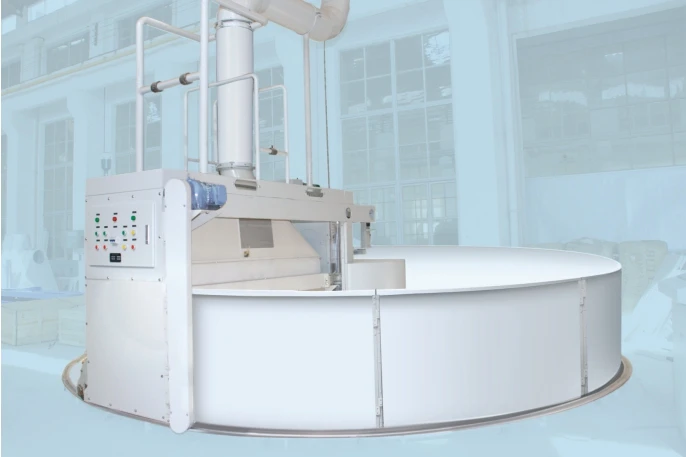
Let's start with the basics. A blow room machine is a crucial part of the textile manufacturing process. It's responsible for opening, cleaning, and blending raw cotton or other fibers before they move on to further processing. There are different types of blow room machines, like the Cotton Opening Machine, Cotton Bale Opener Machine, Reciprocating Bale Opener, Automatic Disk Bale Plucker, and Vibrating Cotton Feeder. Each one plays a specific role in getting the fibers ready for spinning.

Energy Consumption
One of the biggest environmental impacts of blow room machines is energy consumption. These machines are often large and powerful, requiring a significant amount of electricity to operate. The motors that drive the various components, like the openers and cleaners, use up a lot of energy. Plus, the air handling systems in blow room machines, which are used to transport the fibers, also guzzle power.
But here's the good news. Over the years, there have been some great advancements in energy - efficient technologies for blow room machines. For example, some new models are equipped with variable - speed drives. These drives allow the machine to adjust its motor speed according to the actual workload. So, if the machine doesn't need to work at full throttle, it can slow down and save energy. Also, better insulation and more efficient air duct designs can reduce energy losses, which means less power is wasted.
Air Pollution
Another major concern is air pollution. When blow room machines are opening and processing the fibers, they can release a lot of dust and lint into the air. These airborne particles are not only a nuisance but can also be harmful to human health. Workers in textile factories who are exposed to high levels of cotton dust over a long period can develop respiratory problems like byssinosis, also known as "brown lung disease."
To tackle this issue, modern blow room machines are often equipped with advanced dust collection systems. These systems use filters to capture the dust and lint before it can escape into the environment. Some of these filters are highly efficient, capable of trapping even the smallest particles. Additionally, proper ventilation systems are essential. They help to remove the contaminated air from the work area and replace it with fresh air.
Waste Generation
Blow room machines also generate waste during the fiber processing. The cleaning process removes impurities from the raw fibers, such as seeds, dirt, and broken fibers. This waste needs to be disposed of properly. If not managed correctly, it can end up in landfills, which is not an ideal solution.
However, there are some environmentally friendly ways to deal with this waste. For instance, some of the non - fiber waste can be used as biomass fuel. It can be burned to generate heat or electricity, reducing the reliance on fossil fuels. The fiber waste can sometimes be recycled and used in other products, like insulation materials or low - grade textiles.
Water Usage
Although blow room machines don't typically use as much water as some other textile processes, there can still be some water - related environmental impacts. Some machines may use water for cleaning or cooling purposes. If the water is not treated properly after use, it can contaminate local water sources.
To address this, many blow room machine manufacturers are now designing machines that use less water. They're also incorporating water treatment systems into their machines. These systems can purify the used water, removing any contaminants and allowing it to be reused within the factory or safely discharged into the environment.
Noise Pollution
Let's not forget about noise pollution. Blow room machines can be quite noisy, especially when they're running at full speed. The constant humming, rattling, and vibrating of the machinery can create a loud and uncomfortable working environment for factory workers. Prolonged exposure to high - level noise can lead to hearing loss and other health problems.
Manufacturers are taking steps to reduce the noise levels of blow room machines. They're using better sound - absorbing materials in the construction of the machines and improving the design to minimize vibrations. Additionally, installing noise - reducing enclosures around the machines can help to contain the noise and protect the workers.
Our Role as a Supplier
As a blow room machine supplier, we have a responsibility to help our customers minimize the environmental impacts of these machines. That's why we offer a range of energy - efficient, low - pollution machines. We're constantly researching and investing in new technologies to make our machines more eco - friendly.
We also provide training and support to our customers. We teach them how to operate the machines in the most energy - efficient way possible, how to maintain the dust collection and water treatment systems, and how to manage the waste generated by the machines.
Conclusion
In conclusion, blow room machines do have some environmental impacts, but with the right technologies and practices, these impacts can be significantly reduced. Energy - efficient designs, advanced dust collection systems, proper waste management, and water treatment are all key to making the textile manufacturing process more sustainable.
If you're in the market for a blow room machine and want to minimize your environmental footprint, we're here to help. Our team of experts can work with you to find the best machine for your needs and provide you with all the support you need to operate it in an environmentally friendly way. So, don't hesitate to reach out to us for a chat about your requirements.
References
[1] Textile Machinery Handbook
[2] Environmental Studies in Textile Manufacturing
[3] Journal of Sustainable Textile Technologies
Send Inquiry