

What is the significance of the spindle in a flat grinding machine?
Nov 23, 2026
Leave a message
The spindle is an indispensable and crucial component in a flat grinding machine, and its significance extends far beyond its physical presence within the machinery. As a leading supplier of Flat Grinding Machine, we have witnessed firsthand the pivotal role the spindle plays in the performance and functionality of these machines.
Precision Machining and Accuracy
One of the primary functions of the spindle in a flat grinding machine is to provide the necessary rotary motion to the grinding wheel. This rotary motion is fundamental to achieving the high - precision machining required in various industrial applications. The spindle's ability to rotate at a consistent and controlled speed directly influences the surface finish and dimensional accuracy of the workpiece being ground.
In modern manufacturing, where tolerances are often measured in micrometers, the precision of the spindle's rotation is non - negotiable. A well - designed and properly maintained spindle can ensure that the grinding wheel rotates around its axis with minimal runout, which is the deviation of the actual rotation from the ideal central axis. Even the slightest amount of runout can result in uneven grinding, leading to poor surface finish, inaccurate dimensions, and ultimately, defective parts.
For example, in the aerospace industry, where components such as turbine blades and engine parts require extremely high precision, the spindle's performance can make or break the quality of the final product. A spindle that can maintain a constant speed and low runout will produce parts that meet the strict quality standards and performance requirements of this critical industry.
Power Transmission and Torque
The spindle also serves as a means of power transmission from the motor to the grinding wheel. It is responsible for transferring the rotational force, or torque, generated by the motor to the grinding wheel, enabling it to remove material from the workpiece. The amount of torque that the spindle can transmit is directly related to the machine's ability to grind materials of different hardness and thickness.
A high - torque spindle allows the grinding machine to handle tougher materials, such as hardened steel or ceramics, more effectively. It provides the necessary force to cut through these materials quickly and efficiently, reducing the machining time and increasing productivity. On the other hand, a spindle with insufficient torque may struggle to grind hard materials, resulting in slower processing times, increased wear on the grinding wheel, and potentially lower quality of the finished part.
In addition to torque, the spindle's power transmission efficiency is also important. A well - engineered spindle design minimizes power losses during the transfer of energy from the motor to the grinding wheel, ensuring that the machine operates at maximum efficiency. This not only reduces energy consumption but also helps to extend the lifespan of the motor and other components of the grinding machine.
Rigidity and Stability
Rigidity and stability are two other key aspects of the spindle's significance in a flat grinding machine. The spindle must be able to withstand the cutting forces generated during the grinding process without deflecting or vibrating. Any deflection or vibration can lead to inaccurate machining, poor surface finish, and premature wear of the grinding wheel and other components.
To ensure rigidity, spindles are often made from high - strength materials and are designed with a robust structure. They are carefully balanced to minimize vibrations, which can be caused by factors such as uneven grinding wheel wear, imbalances in the rotating components, or external forces acting on the machine. Vibration - dampening technologies, such as dynamic balancing systems and vibration - isolating mounts, are also commonly used to further enhance the spindle's stability.
In a production environment, the stability of the spindle is essential for maintaining consistent quality over long production runs. If the spindle vibrates or deflects, the quality of the parts produced will vary, leading to increased scrap rates and reduced productivity. A stable spindle ensures that each part is machined to the same high standard, regardless of the length of the production cycle.
Compatibility and Adaptability
As a flat grinding machine supplier, we understand that different industries and applications have unique requirements. The spindle in a flat grinding machine needs to be compatible with a variety of grinding wheels and workpieces to meet these diverse needs.
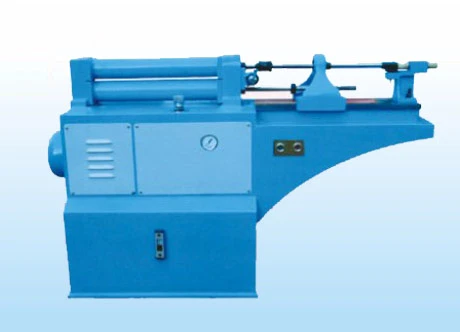
Spindles can be designed to accommodate different types of grinding wheels, including diamond, cubic boron nitride (CBN), and conventional abrasive wheels. They must have the appropriate mounting interfaces and rotational speed capabilities to work effectively with these different wheel types. For example, diamond and CBN wheels require high - speed spindles to achieve optimal cutting performance, while conventional abrasive wheels may operate at lower speeds.
Moreover, the spindle should be adaptable to different workpiece materials and geometries. Some workpieces may require a gentle grinding process, while others may need a more aggressive approach. The spindle's ability to adjust its speed, torque, and other operating parameters allows the grinding machine to be customized for different applications, making it a versatile tool in the manufacturing process.
Maintenance and Longevity
The spindle's design and construction also have a significant impact on its maintenance requirements and longevity. A well - designed spindle is easier to maintain, which reduces downtime and operating costs. It should have features such as easy - access lubrication points, replaceable bearings, and diagnostic sensors to monitor its performance.
Regular maintenance of the spindle is crucial to ensure its long - term reliability. This includes tasks such as lubricating the bearings, checking for wear and damage, and balancing the rotating components. By following a proper maintenance schedule, the spindle can last for many years, providing consistent performance and reducing the need for expensive replacements.
In addition to maintenance, the quality of the spindle's components also affects its longevity. High - quality bearings, seals, and other parts are less likely to fail prematurely, ensuring that the spindle operates smoothly and efficiently over its lifespan. As a supplier, we source the best - quality components for our flat grinding machines' spindles to ensure the durability and performance of our products.
Impact on Other Machinery
The spindle in a flat grinding machine also has an impact on the performance of other related machinery in the manufacturing process. For example, if the flat grinding machine is part of a larger production line that involves other processes such as card clothing mounting, roving opening, hydraulic rubber roller mounting, or stationary flat mounting, the spindle's performance can affect the overall efficiency and quality of the entire production process.
A flat grinding machine with a high - performance spindle can produce high - quality parts that are more compatible with the requirements of Card Clothing Mounting Machine, Roving Opener Machine, Hydraulic Rubber Roller Mouting Machinery and Stationary Flat Mounting Machine. This can lead to smoother operation of these machines, reduced downtime, and improved overall product quality.
In conclusion, the spindle is the heart of a flat grinding machine. Its significance lies in its ability to provide precision machining, power transmission, rigidity, compatibility, and long - term reliability. As a supplier of flat grinding machines, we are committed to providing high - quality spindles that meet the most demanding industrial requirements. If you are in the market for a flat grinding machine or have any questions about our products, we invite you to reach out for a procurement discussion. Our team of experts is ready to assist you in finding the perfect solution for your manufacturing needs.
References
- Smith, J. (2020). Precision Grinding: Principles and Applications. Industrial Publishing.
- Brown, A. (2019). Spindle Technology in Machine Tools. Manufacturing Technology Review.
- Jones, R. (2021). The Role of Spindles in Flat Grinding Machines. Machinery World Magazine.
Send Inquiry