

How does a carding machine work with alpaca fibers?
Nov 18, 2026
Leave a message
Hey there! As a carding machine supplier, I'm super stoked to dive into how our machines work their magic with alpaca fibers. Alpaca wool is kind of a big deal in the textile world. It's soft, warm, and hypoallergenic, which makes it a top - pick for all sorts of high - end clothing and textiles.
First off, let's talk about what carding is. Carding is a crucial step in turning raw alpaca fibers into something that can be spun into yarn. Raw alpaca fibers straight from the animal are all tangled up, full of debris like dirt, hay, and even bits of vegetation. The carding machine's main job is to clean, align, and separate these fibers so they're ready for the next steps in the textile - making process.
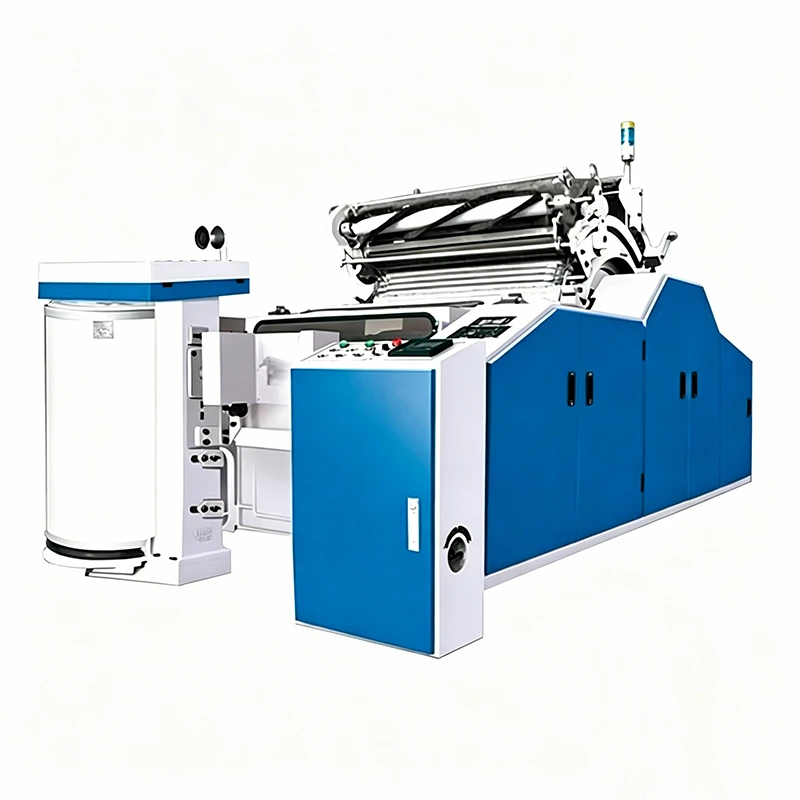
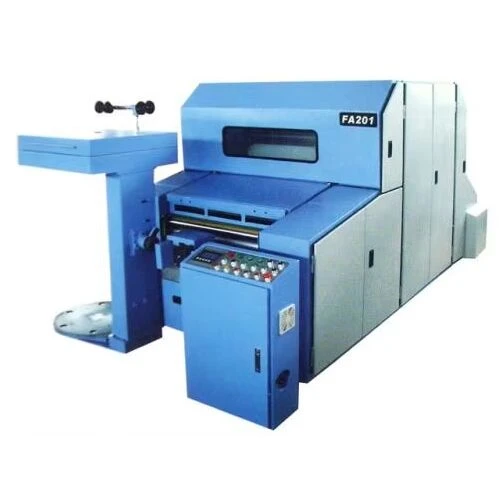
When the raw alpaca fibers arrive at the carding stage, they're usually in large, messy clumps. The first part of our carding machines is the feeder. This is where we start the process. The feeder evenly spreads out the alpaca fibers onto the machine. It's like a gentle, mechanical hand that takes those big clumps and lays them out in a thin, uniform layer. This even distribution is super important because it ensures that the rest of the carding process works smoothly.
Once the fibers are fed into the machine, they hit the licker - in roller. This roller is covered in sharp, wire teeth. The licker - in roller spins at a high speed, and those teeth start to tear through the alpaca fibers. It's a bit rough at first, but it's necessary. The licker - in roller helps to break up any large clumps and removes a lot of the debris from the fibers. It's like a really intense cleaning phase. The dirt and other unwanted stuff gets shaken loose and falls to a collector below the machine.
After the licker - in roller, the fibers move on to the main carding cylinder. This is the heart of the carding machine. The cylinder is also covered in fine wire teeth, but it spins much slower compared to the licker - in roller. As the fibers come into contact with the cylinder, the teeth start to align them. The idea is to get the individual fibers to lay parallel to each other. When the fibers are parallel, it makes it much easier to spin them into yarn later on.
Around the main carding cylinder, there are a bunch of smaller rollers called worker rollers and stripper rollers. The worker rollers rotate in the opposite direction of the cylinder. The teeth on the worker rollers grab the fibers from the cylinder and further separate and clean them. Then, the stripper rollers come in. They strip the fibers off the worker rollers and send them back to the main cylinder. This back - and - forth action between the worker and stripper rollers is like a really detailed scrub - down and alignment process for the alpaca fibers.
As the fibers make their way around the main carding cylinder, they gradually form a thin web. This web is composed of clean, parallel - aligned alpaca fibers. But we're not done yet! The next step is to turn this web into a more manageable form. That's where the doffer roller comes in. The doffer roller takes the thin web of fibers from the main cylinder. It rotates slowly and has teeth that gently pull the web off the cylinder.
Once the web is on the doffer roller, it's then formed into a sliver. A sliver is a long, loose rope - like bundle of fibers. The machine uses a series of guides and condensers to shape the web into the sliver. The sliver is then wound onto a can or a bobbin. This sliver is now ready for the next steps in the spinning process, where it will be twisted into yarn.
Now, you might be wondering, what makes our carding machines so great for alpaca fibers? Well, alpaca fibers are quite delicate compared to some other types of wool. Our machines are designed with gentle handling in mind. The wire teeth on the rollers are specifically engineered to be fine enough to separate the alpaca fibers without breaking them. We've also optimized the speeds of the rollers to ensure that the cleaning and alignment process is thorough but doesn't cause any damage to the fibers.
Another great feature of our carding machines is their versatility. We offer different types of carding machines to suit different needs. If you're interested in our Textile Carding Machine, it's a multi - purpose machine that can handle a wide range of fibers, including alpaca. It's perfect for small to medium - sized textile mills that want to work with different types of materials.
For those who are mainly focused on working with natural fibers like cotton and, of course, alpaca, our Cotton Carding Machine is a great option. It has been fine - tuned to deliver excellent results with these types of fibers. The machine ensures that the alpaca fibers are cleaned and aligned to the highest standards, which helps in producing high - quality yarn.
If you're in the spinning business and need a machine that can integrate well into a larger spinning production line, our Spinning Carding Machine is the way to go. It's designed to work seamlessly with other spinning equipment, making the overall production process more efficient.
In addition to the technical aspects, we also provide top - notch customer support. We understand that investing in a carding machine is a big decision, especially for those new to the alpaca fiber processing industry. Our team of experts is always ready to answer your questions, offer advice on machine selection, and provide maintenance and repair services.
So, if you're in the market for a carding machine to work with alpaca fibers, don't hesitate to reach out. Whether you're a small - scale artisan looking to start your own alpaca - based textile business or a large - scale manufacturer looking to upgrade your equipment, we've got the right solution for you. Contact us today to discuss your specific needs and let's work together to take your alpaca fiber processing to the next level!
References
- Smith, John. "Textile Processing Techniques." Publisher: XYZ Publishing, 2018.
- Brown, Emily. "Fiber Science and Technology." Publisher: ABC Academic, 2020.
Send Inquiry