

How does a carding machine affect the color of fibers?
Nov 24, 2026
Leave a message
Hey there! As a carding machine supplier, I've been getting a lot of questions lately about how a carding machine affects the color of fibers. So, I thought I'd take a deep dive into this topic and share my insights with you all.
First off, let's quickly go over what a carding machine does. A carding machine is a crucial piece of equipment in the textile industry. It processes raw fibers like cotton, wool, and synthetic materials. The main functions are to align the fibers in a parallel arrangement, remove impurities, and create a continuous web of fibers. Now, let's get into how this process can impact fiber color.
Wear and Tear on Machine Parts
One of the ways a carding machine can affect fiber color is through the wear and tear of its parts. Over time, the moving parts of a carding machine, such as the cylinders and rollers, can experience friction. This friction can cause the metal surface of these parts to gradually flake off. When these tiny metal particles come into contact with the fibers during the carding process, they can bond with the fibers.
For example, if the metal parts are made of iron, the iron particles may react with oxygen in the air and form rust. This rust can then transfer onto the fibers, giving them a reddish - brown tint. This is especially noticeable in lighter - colored fibers like white cotton. That's why it's super important to regularly maintain and replace the worn - out parts of the carding machine. As a supplier, I always recommend my customers to follow a strict maintenance schedule to keep their carding machines in top condition.
Contamination from Previous Batches
Another significant factor is contamination from previous batches of fibers. Carding machines are often used to process different types and colors of fibers in succession. If the machine isn't properly cleaned between batches, there can be residue left on the machine's components.
Let's say you first card a batch of dark - colored wool. Some of the wool fibers will stick to the carding wires and other parts of the machine. Then, if you immediately start carding a batch of light - colored cotton, the dark wool fibers can mix with the cotton. This will result in the light - colored cotton having specks or streaks of the dark color. To avoid this, it's essential to thoroughly clean the carding machine between different fiber batches. We offer some great cleaning tools and guidelines to our customers to ensure proper machine hygiene.
Heat Generation During Carding
The carding process generates heat. When the fibers are being combed and aligned by the carding machine, the friction between the fibers and the machine parts causes the temperature to rise. This heat can have an impact on the color of certain types of fibers.
For instance, natural fibers like silk are quite sensitive to heat. Excessive heat during carding can cause the silk fibers to yellow. This is because the heat can break down some of the proteins in the silk, leading to a change in its chemical structure and appearance. As a solution, we've designed some of our Spinning Carding Machine models with better heat - dissipation systems. These systems help to keep the temperature under control during the carding process, minimizing the risk of color change in heat - sensitive fibers.
Chemical Reactions with Lubricants
Carding machines use lubricants to reduce friction between moving parts and ensure smooth operation. However, these lubricants can sometimes react with the fibers and cause color changes.
Some lubricants may contain chemicals that are not compatible with certain types of fibers. For example, if a lubricant has an acidic or alkaline nature and comes into contact with fibers that are sensitive to pH changes, it can alter the color of the fibers. We always recommend using high - quality, fiber - friendly lubricants. Our team can provide advice on the best lubricants to use with different types of carding machines and fibers.
Impact of Carding Machine Settings
The settings of the carding machine also play a role in fiber color. The speed of the cylinders, the distance between the carding wires, and the tension applied to the fibers can all affect how the fibers are processed and, in turn, their color.
If the carding machine is set to a very high speed, the fibers may experience more stress and friction. This can lead to damage to the fiber surface, which in some cases may cause a change in color. On the other hand, if the distance between the carding wires is too small, it can over - process the fibers, potentially altering their color. As a supplier, we offer training to our customers on how to properly set up their Textile Carding Machine to achieve the best results in terms of fiber quality and color.
Role of Fiber Quality and Origin
The quality and origin of the fibers themselves can interact with the carding process to affect color. Fibers from different regions may have different natural pigments or chemical compositions. Some fibers may be more resistant to color changes during carding, while others are more fragile.
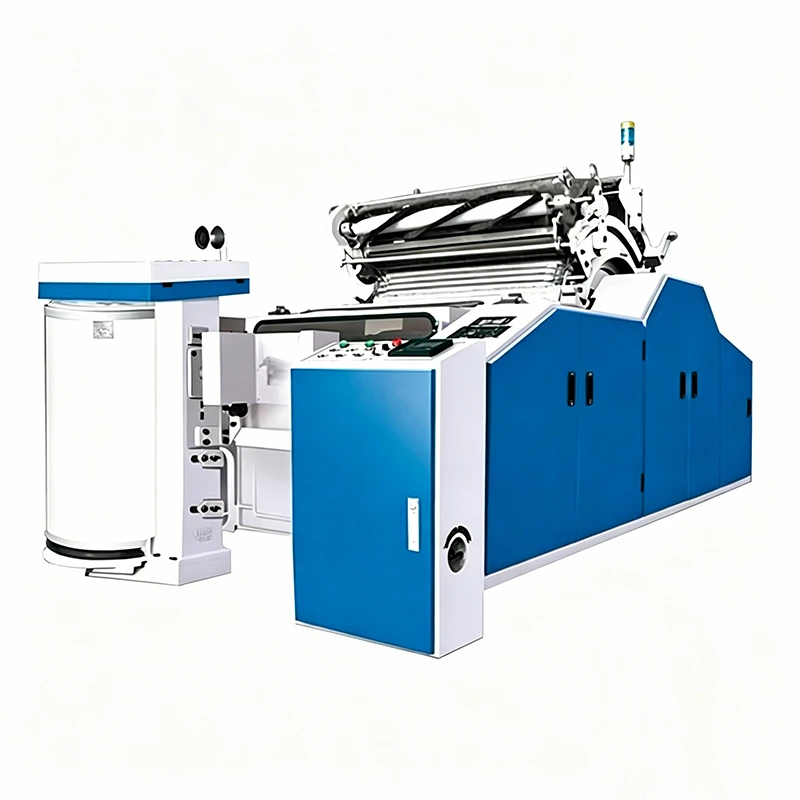
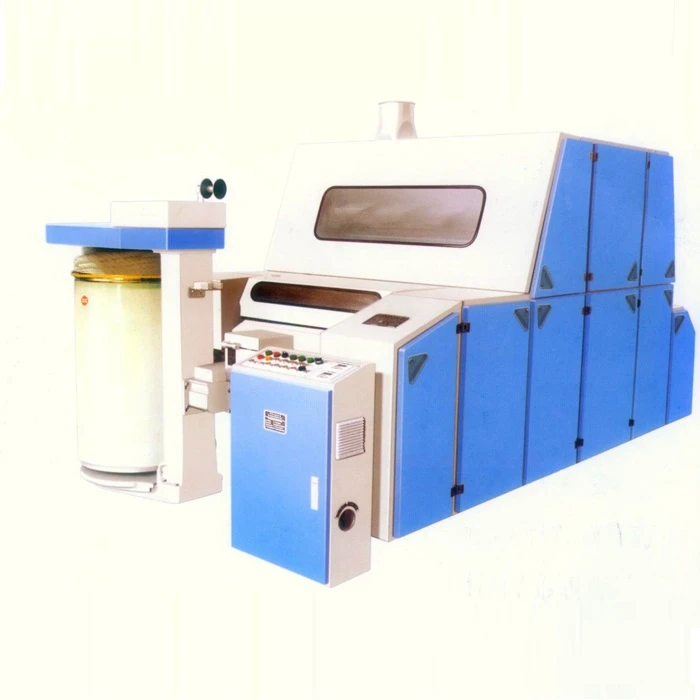
For example, cotton from different countries may have slightly different colors due to variations in soil conditions, climate, and farming methods. When these fibers go through the carding process, the differences in their natural properties can be further amplified or modified. Our Cotton Carding Machine is designed to handle a wide range of cotton qualities, but it's still important to understand the unique characteristics of the fibers you're using.
In conclusion, a carding machine can affect the color of fibers in multiple ways, from wear and tear of machine parts to chemical reactions with lubricants. As a carding machine supplier, I understand the importance of ensuring that the carding process doesn't compromise the color and quality of the fibers. We're constantly working on improving our carding machine designs to minimize these color - related issues.
If you're in the textiles industry and are looking for a reliable carding machine that can help you maintain the color and quality of your fibers, we'd love to hear from you. Whether you're processing cotton, wool, or synthetic fibers, we have the right solution for you. Don't hesitate to reach out for more information and to discuss your specific needs. We're here to support you in achieving the best results in your textile production.
References
- Textile Machinery Handbook: An in - depth guide to the operation and maintenance of various textile machines, including carding machines.
- Journal of Fiber Science: Articles on the properties and processing of different types of fibers and how they are affected by carding.
- Industry reports on textile manufacturing trends and the impact of machinery on fiber quality.
Send Inquiry