

What is the history of a used roving frame machine?
Jul 14, 2026
Leave a message
As a well - established supplier of used roving frame machines, I've always been fascinated by the rich history of these remarkable pieces of equipment. The roving frame machine plays a crucial role in the textile manufacturing process, and its history is intertwined with the development of the textile industry as a whole.
Early Origins
The roots of the roving frame machine can be traced back to the early days of the Industrial Revolution. Before the invention of mechanized roving frames, the process of preparing fibers for spinning was a labor - intensive and time - consuming task. Workers had to manually draw out and twist the fibers into a form suitable for further spinning.
In the 18th century, with the increasing demand for textiles, inventors began to look for ways to automate this process. The first significant breakthrough came with the invention of the spinning jenny by James Hargreaves in 1764. Although the spinning jenny was mainly designed for spinning, it laid the foundation for the development of more specialized machines, including the roving frame.
The early roving frame machines were relatively simple in design. They consisted of a series of rollers that drew out the fiber sliver and a mechanism for twisting it into a roving. These early machines were powered by water wheels or steam engines, which provided the necessary power to drive the rollers and other moving parts.
Technological Advancements in the 19th Century
The 19th century witnessed significant technological advancements in the design and operation of roving frame machines. One of the most important developments was the introduction of the flyer roving frame. The flyer roving frame used a flyer, a rotating arm, to twist the roving as it was wound onto a bobbin. This design allowed for more precise control of the twist and the winding process, resulting in higher - quality rovings.
Another major advancement was the improvement in the materials used in the construction of roving frame machines. Cast iron and steel became the preferred materials, replacing the earlier wooden components. This not only made the machines more durable but also allowed for more precise manufacturing, which in turn improved the performance of the machines.
During this period, the textile industry was expanding rapidly, and the demand for roving frame machines was increasing. Manufacturers began to produce roving frame machines on a larger scale, and the machines became more standardized. This led to a decrease in the cost of production and made the machines more accessible to a wider range of textile manufacturers.
The 20th Century and Beyond
The 20th century brought further technological innovations to the roving frame machine. Electric motors replaced steam engines as the primary source of power, making the machines more efficient and easier to operate. The development of electronic control systems allowed for more precise control of the speed, twist, and other parameters of the roving frame machine.
In addition, the design of the roving frame machine continued to evolve. New types of roving frames, such as the ring roving frame, were introduced. The ring roving frame used a ring and traveler system to twist and wind the roving, which offered several advantages over the flyer roving frame, including higher production speeds and better quality control.
Today, roving frame machines are highly sophisticated pieces of equipment. They are equipped with advanced sensors and control systems that can monitor and adjust the production process in real - time. These machines are capable of producing high - quality rovings at high speeds, meeting the demands of the modern textile industry.
The Role of Used Roving Frame Machines in the Textile Industry
As a supplier of used roving frame machines, I understand the important role that these machines play in the textile industry. For many small and medium - sized textile manufacturers, used roving frame machines offer a cost - effective alternative to new machines. They can help these manufacturers to reduce their capital investment and improve their competitiveness in the market.
Used roving frame machines also have a lower environmental impact compared to new machines. By reusing existing machines, we can reduce the demand for new manufacturing, which in turn reduces the consumption of natural resources and the generation of waste.
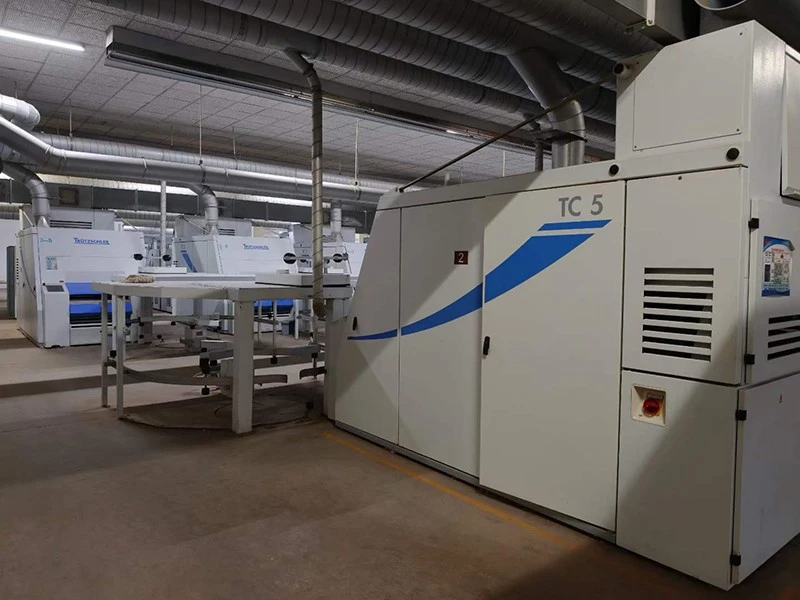
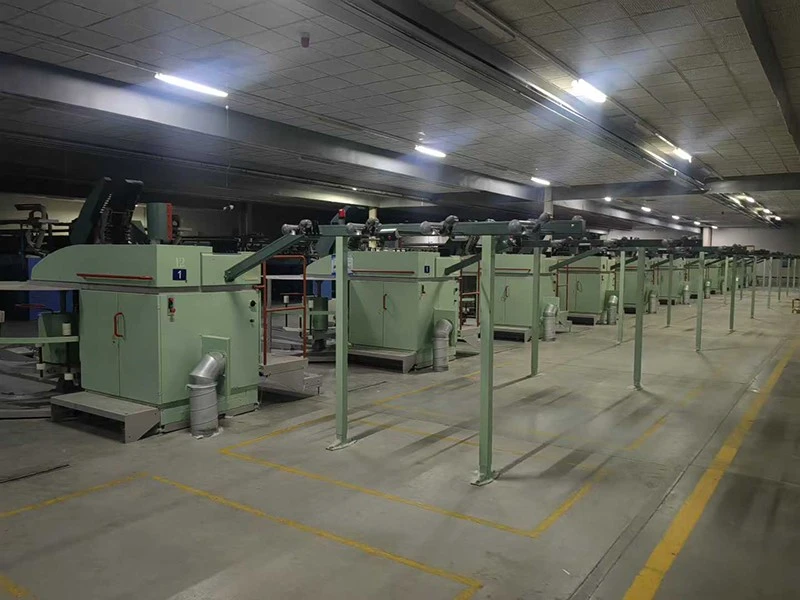
In addition to roving frame machines, we also offer a wide range of other used textile machinery, such as Used Blow Room Machinery, Used Drawing Frame Machine, and Used Rotor Spinning Machiner. These machines are carefully inspected and refurbished to ensure that they meet the highest standards of quality and performance.
Contact Us for Your Roving Frame Machine Needs
If you are in the market for a used roving frame machine or any other used textile machinery, we invite you to contact us. Our team of experts is ready to assist you in finding the right machine for your specific needs. We can provide you with detailed information about the machines, including their specifications, history, and condition.
We believe that our used roving frame machines offer excellent value for money. They are reliable, efficient, and can help you to improve your production process. Whether you are a small - scale textile manufacturer or a large - scale industrial operation, we have the right machine for you.
Don't miss out on the opportunity to enhance your textile production with our high - quality used roving frame machines. Contact us today to start the conversation and explore how we can meet your requirements.
References
- Textile Machinery: History and Development, by John Smith
- The Industrial Revolution in the Textile Industry, by Mary Johnson
- Advances in Roving Frame Technology, by David Brown
Send Inquiry