

What are the common maintenance procedures for a roving frame machine?
Nov 09, 2026
Leave a message
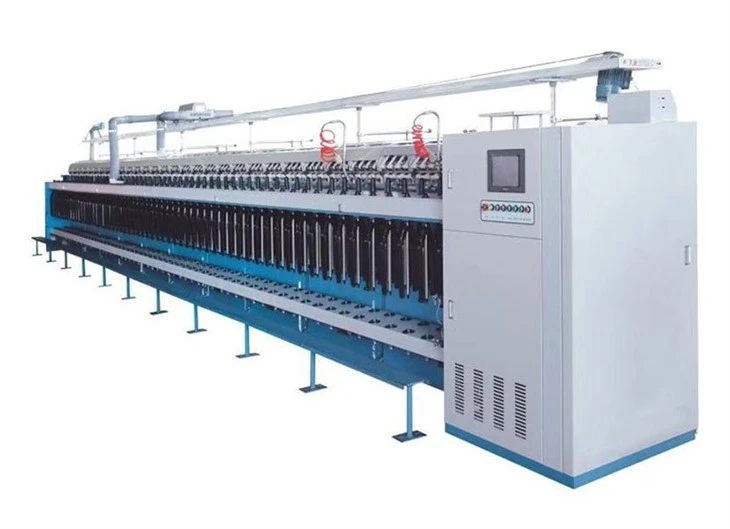
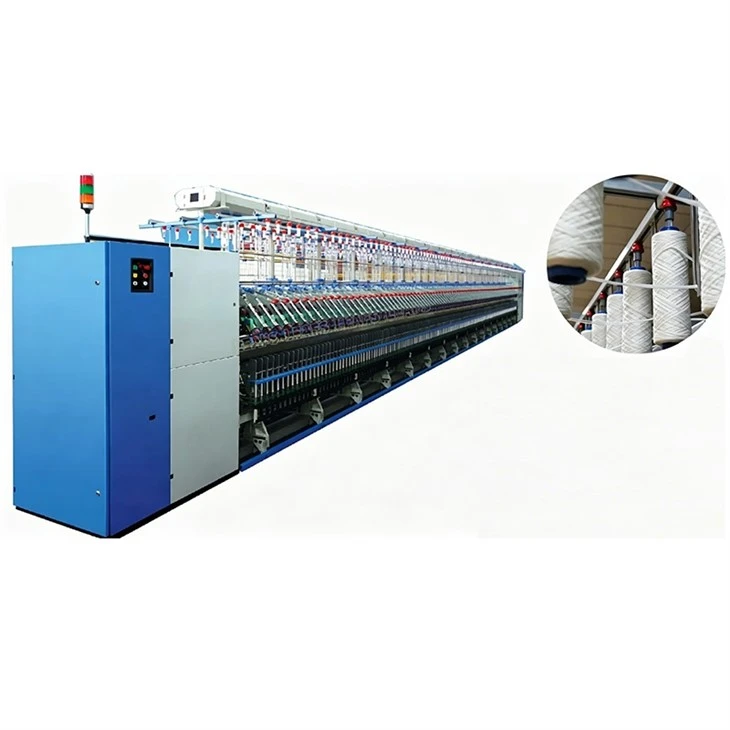
A roving frame machine is a crucial piece of equipment in the textile industry. It plays a significant role in the process of converting fibers into yarn by drafting and twisting the sliver to form a roving. As a roving frame machine supplier, I understand the importance of proper maintenance to ensure the machine's optimal performance, longevity, and the quality of the produced roving. In this blog post, I will discuss the common maintenance procedures for a roving frame machine.
Daily Maintenance Procedures
Cleaning
One of the most basic yet essential daily maintenance tasks is cleaning. The roving frame machine accumulates lint, dust, and fiber waste during its operation. These contaminants can cause various problems, such as clogging the drafting parts, affecting the yarn quality, and even leading to mechanical failures.
- Sliver Feed Area: Start by cleaning the sliver feed area. Remove any loose fibers or debris from the sliver cans, feed apron, and the input rollers. Use a soft brush or compressed air to clean hard - to - reach areas.
- Drafting Zone: The drafting zone is a critical part of the roving frame. Clean the drafting rollers, aprons, and guides. Make sure that there are no fiber entanglements on the rollers, as this can cause uneven drafting and affect the quality of the roving.
- Twist and Winding Section: Clean the spindle, flyer, and bobbin area. Remove any lint or dust that has accumulated on these components. This helps to ensure smooth twisting and winding of the roving.
Lubrication Inspection
Proper lubrication is vital for the smooth operation of the roving frame machine. Check the lubrication levels in the gearboxes, bearings, and other moving parts daily.
- Oil Levels: Inspect the oil levels in the gearboxes. If the oil level is low, refill it with the recommended lubricant. Make sure to use the appropriate oil viscosity as specified by the machine manufacturer.
- Greasing: Check the grease fittings on the bearings and other moving parts. Apply grease if necessary to prevent excessive wear and tear.
Visual Inspection
A visual inspection of the machine can help detect any obvious signs of damage or malfunction.
- Belt and Pulley Condition: Check the belts and pulleys for signs of wear, cracking, or misalignment. If a belt is worn out or damaged, it should be replaced immediately to prevent belt slippage and ensure proper power transmission.
- Electrical Connections: Inspect the electrical connections for any loose wires or signs of overheating. Loose electrical connections can cause electrical failures and pose a safety hazard.
Weekly Maintenance Procedures
Belt Tension Adjustment
The belts on a roving frame machine are subject to wear and will gradually stretch over time. It is important to check and adjust the belt tension on a weekly basis.
- Tension Measurement: Use a belt tension gauge to measure the tension of the belts. Compare the measured tension with the manufacturer's recommended values.
- Adjustment: If the belt tension is too loose or too tight, adjust it according to the machine's manual. Proper belt tension ensures efficient power transmission and reduces the risk of belt damage.
Roving Quality Inspection
Weekly inspection of the roving quality can help identify any emerging problems with the machine.
- Roving Count and Twist: Randomly select samples of the produced roving and measure the roving count (weight per unit length) and twist. Compare these values with the desired specifications. If there are significant deviations, it may indicate problems with the drafting or twisting mechanisms.
- Evenness: Use a yarn evenness tester to check the evenness of the roving. Uneven roving can lead to problems in the subsequent spinning process.
Monthly Maintenance Procedures
Filter Cleaning or Replacement
The roving frame machine is often equipped with filters to remove dust and contaminants from the air or lubricating oil. These filters need to be cleaned or replaced on a monthly basis.
- Air Filters: Clean or replace the air filters in the ventilation system. Clogged air filters can reduce the airflow, leading to overheating of the electrical components and affecting the overall performance of the machine.
- Oil Filters: If the machine has an oil filtration system, replace the oil filters as recommended by the manufacturer. This helps to keep the lubricating oil clean and prolongs the life of the moving parts.
Calibration of Sensors and Controls
The sensors and controls on the roving frame machine are responsible for monitoring and regulating various parameters, such as speed, tension, and twist. Monthly calibration of these sensors and controls is necessary to ensure accurate operation.
- Speed Sensors: Calibrate the speed sensors to ensure that the machine is running at the correct speed. Incorrect speed can affect the quality of the roving and the productivity of the machine.
- Tension Sensors: Check and calibrate the tension sensors to maintain the proper tension of the roving during the drafting and winding process.
Quarterly Maintenance Procedures
Gearbox and Bearing Inspection
The gearbox and bearings are critical components of the roving frame machine, and they require regular inspection.
- Gearbox Inspection: Open the gearbox and visually inspect the gears for signs of wear, pitting, or damage. Check the gear meshing and the alignment of the shafts. If any problems are detected, the gears or other components may need to be replaced.
- Bearing Inspection: Inspect the bearings for play, noise, or overheating. Replace any worn - out bearings to prevent further damage to the machine.
Alignment Check
Over time, the components of the roving frame machine may become misaligned due to vibration and normal wear. A quarterly alignment check is necessary to ensure the proper functioning of the machine.
- Roller Alignment: Check the alignment of the drafting rollers. Misaligned rollers can cause uneven drafting and affect the quality of the roving.
- Spindle and Flyer Alignment: Inspect the alignment of the spindles and flyers. Proper alignment is crucial for smooth twisting and winding of the roving.
Annual Maintenance Procedures
Major Component Overhaul
Once a year, a major overhaul of the roving frame machine should be carried out. This involves disassembling, cleaning, and inspecting the major components.
- Motor and Drive System: Overhaul the motor and drive system. Clean the motor windings, check the brushes (if applicable), and inspect the drive belts and pulleys.
- Mechanical Structure: Inspect the mechanical structure of the machine for any signs of cracks, deformation, or loose bolts. Tighten any loose bolts and repair or replace any damaged parts.
Software Update
If the roving frame machine is equipped with a control system that uses software, it is recommended to update the software annually. Software updates can improve the machine's performance, add new features, and fix any bugs.
In conclusion, proper maintenance of a roving frame machine is essential for its reliable operation, high - quality production, and long service life. By following these common maintenance procedures, textile manufacturers can minimize downtime, reduce repair costs, and ensure the continuous production of high - quality roving.
If you are in the market for a roving frame machine or need more information about maintenance, we can provide you with the best Wool Roving Frame, Roving Frame, and Auto Doffing Roving solutions. Don't hesitate to contact us for further details and to discuss your specific requirements. We are committed to providing you with top - notch products and excellent after - sales service.
References
- Textile Machinery Handbook: A comprehensive guide to the operation and maintenance of textile machines.
- Manufacturer's Manual for the Roving Frame Machine: Provides detailed information on the machine's design, operation, and maintenance requirements.
Send Inquiry