

How to upgrade an old blow room machine?
Oct 19, 2026
Leave a message
Upgrading an old blow room machine is a strategic move that can significantly enhance the efficiency, productivity, and quality of your textile manufacturing process. As a trusted blow room machine supplier, I've witnessed firsthand how a well - executed upgrade can transform an aging machine into a high - performing asset. In this blog, I'll guide you through the steps to upgrade an old blow room machine, ensuring you get the most out of your investment.
Assessing the Current State of the Machine
The first step in upgrading an old blow room machine is to conduct a thorough assessment. This involves a detailed inspection of all components, including the mechanical parts, electrical systems, and control units. Look for signs of wear and tear, such as rust, corrosion, or excessive vibration. Check the functionality of key components like the beater, conveyor belts, and fans.
It's also important to evaluate the machine's performance metrics. Measure parameters such as production speed, fiber quality, and energy consumption. Compare these metrics with industry standards to identify areas where the machine is underperforming. For instance, if the machine is consuming more energy than average, it could be due to inefficient motors or outdated control systems.
Identifying the Upgrade Needs
Based on the assessment, you can identify the specific areas that require upgrading. Here are some common upgrade needs for blow room machines:
1. Automation and Control Systems
Older blow room machines often rely on manual controls, which can lead to inconsistent performance and increased labor costs. Upgrading to an automated control system can improve process stability and reduce human error. A modern control system can monitor and adjust key parameters such as speed, pressure, and temperature in real - time, ensuring optimal performance.
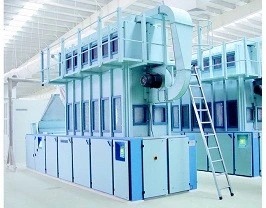
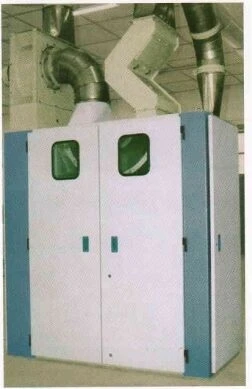
2. Fiber Opening and Cleaning
The fiber opening and cleaning process is crucial for producing high - quality yarn. Upgrading components such as the Cotton Opening Machine and weight separators can improve the efficiency of fiber opening and remove more impurities. The Weight Separator For Blow Room can accurately separate fibers based on their weight, ensuring a more uniform fiber mix.
3. Material Handling
Efficient material handling is essential for a smooth blow room operation. Upgrading the conveyor belts, chutes, and feeders can reduce material jams and improve the flow of fibers through the machine. Consider installing a Cotton Condenser to collect and transport fibers more effectively.
4. Mixing and Blending
A good mixing and blending process ensures a consistent fiber blend, which is essential for producing high - quality yarn. Upgrading to a Blow Room Multi Mixer can improve the mixing efficiency and create a more homogeneous fiber blend.
Selecting the Right Upgrades
Once you've identified the upgrade needs, the next step is to select the right upgrades. It's important to choose upgrades that are compatible with your existing machine. Consider factors such as the machine's make, model, and age. Consult with a professional engineer or your blow room machine supplier to ensure the upgrades are suitable for your specific requirements.
Cost is also an important consideration. While it's tempting to go for the most advanced upgrades, you need to balance the cost with the expected benefits. Look for upgrades that offer a good return on investment in terms of increased productivity, improved quality, and reduced operating costs.
Planning the Upgrade Project
A well - planned upgrade project is essential for minimizing downtime and ensuring a successful implementation. Here are some steps to follow:
1. Set a Timeline
Determine the start and end dates of the upgrade project. Consider factors such as production schedules, availability of parts, and the complexity of the upgrades. Communicate the timeline to all relevant stakeholders, including your production team, maintenance staff, and suppliers.
2. Allocate Resources
Allocate the necessary resources for the upgrade project, including labor, materials, and equipment. Ensure that you have a qualified team of technicians and engineers to carry out the upgrades. Order the required parts and materials in advance to avoid delays.
3. Develop a Risk Management Plan
Identify potential risks associated with the upgrade project, such as technical issues, delays, and safety hazards. Develop a risk management plan to mitigate these risks. For example, have a contingency plan in case of unexpected technical problems.
Implementing the Upgrades
During the implementation phase, it's important to follow the manufacturer's instructions and safety guidelines. Here are some key points to keep in mind:
1. Disconnect the Machine
Before starting any work on the machine, disconnect it from the power supply and any other utilities. This will prevent electrical shocks and other safety hazards.
2. Remove Old Components
Carefully remove the old components that need to be replaced. Keep track of all parts and labels to ensure proper reinstallation.
3. Install New Components
Install the new components according to the manufacturer's instructions. Ensure that all connections are secure and that the components are properly aligned.
4. Test the Machine
After installing the new components, conduct a thorough test of the machine. Check for any leaks, abnormal noises, or other issues. Run the machine at different speeds and loads to ensure optimal performance.
Training and Maintenance
Once the upgrades are completed, it's important to provide training to your operators and maintenance staff. They need to be familiar with the new features and functions of the upgraded machine. Provide training on topics such as machine operation, maintenance procedures, and troubleshooting.
Regular maintenance is also crucial for ensuring the long - term performance of the upgraded machine. Develop a maintenance schedule and stick to it. Conduct routine inspections, lubrication, and calibration to prevent breakdowns and extend the lifespan of the machine.
Conclusion
Upgrading an old blow room machine is a complex but rewarding process. By following the steps outlined in this blog, you can transform your aging machine into a high - performing asset. As a blow room machine supplier, I'm committed to providing you with the best products and services to support your upgrade project. If you're interested in upgrading your blow room machine or have any questions, please feel free to reach out to me. I'll be happy to discuss your specific needs and provide you with customized solutions.
References
- Textile Machinery Manufacturing Handbook
- Journal of Textile Engineering and Technology
- Industry reports on blow room machine upgrades.
Send Inquiry