

Can a pneumatic pendulum arm be used in automotive manufacturing industries?
Jul 28, 2026
Leave a message
In the dynamic landscape of automotive manufacturing, the search for innovative and efficient tools is a constant pursuit. As a supplier of the Pneumatic Pendulum Arm, I am often asked about the potential applications of this device in the automotive industry. In this blog post, I will explore the feasibility and benefits of using a pneumatic pendulum arm in automotive manufacturing.
Understanding the Pneumatic Pendulum Arm
Before delving into its potential in automotive manufacturing, let's first understand what a pneumatic pendulum arm is. A pneumatic pendulum arm is a mechanical device that uses compressed air to generate a pendulum-like motion. It consists of a pendulum arm connected to a pneumatic cylinder, which provides the necessary force to move the arm back and forth. The motion of the pendulum arm can be controlled by adjusting the air pressure and flow rate, allowing for precise and repeatable movements.
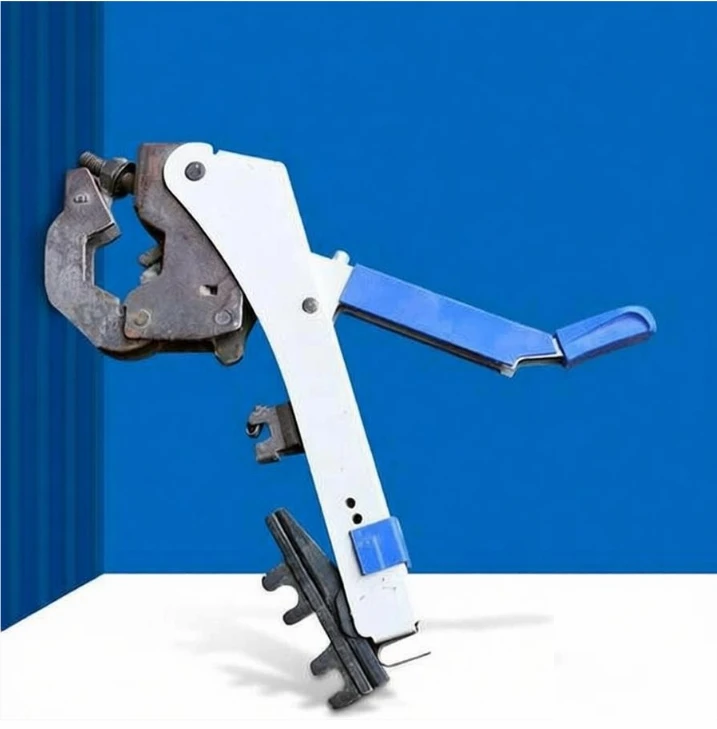
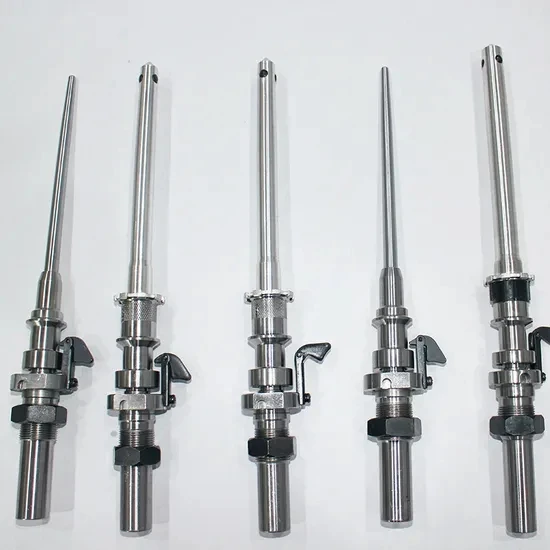
The Pneumatic Pendulum Arm is known for its simplicity, reliability, and cost-effectiveness. It is widely used in various industries, including textile manufacturing, packaging, and automation, for tasks such as material handling, sorting, and assembly.
Potential Applications in Automotive Manufacturing
The automotive manufacturing industry is a complex and highly automated sector that requires precise and efficient tools to ensure high-quality production. The Pneumatic Pendulum Arm offers several potential applications in this industry, including:
1. Material Handling
In automotive manufacturing, the movement of heavy and bulky components is a common task. The pneumatic pendulum arm can be used to lift, transfer, and position these components with ease. Its pendulum-like motion allows for smooth and controlled movements, reducing the risk of damage to the components. Additionally, the pneumatic system provides a high level of force, making it suitable for handling heavy loads.
2. Assembly Operations
Automotive assembly involves the precise alignment and connection of various components. The Pneumatic Pendulum Arm can be used to perform assembly tasks such as inserting parts, tightening bolts, and applying adhesives. Its repeatable motion ensures consistent and accurate assembly, improving the overall quality of the product.
3. Inspection and Testing
Quality control is a critical aspect of automotive manufacturing. The pneumatic pendulum arm can be used to perform inspection and testing tasks, such as measuring dimensions, checking for defects, and conducting functional tests. Its precise motion allows for accurate measurements and inspections, ensuring that the products meet the required standards.
4. Painting and Coating
The application of paint and coatings is an important step in automotive manufacturing. The Pneumatic Pendulum Arm can be used to control the movement of paint spray guns or coating applicators, ensuring a uniform and consistent finish. Its pendulum-like motion allows for smooth and even coverage, reducing the risk of overspray and uneven coating.
Benefits of Using a Pneumatic Pendulum Arm in Automotive Manufacturing
The use of a Pneumatic Pendulum Arm in automotive manufacturing offers several benefits, including:
1. Increased Efficiency
The pneumatic pendulum arm can perform tasks quickly and accurately, reducing the time required for production. Its repeatable motion allows for consistent and efficient operation, improving the overall productivity of the manufacturing process.
2. Improved Quality
The precise motion of the pneumatic pendulum arm ensures accurate and consistent assembly, inspection, and testing, improving the quality of the final product. This reduces the risk of defects and rework, resulting in higher customer satisfaction.
3. Cost Savings
The Pneumatic Pendulum Arm is a cost-effective solution compared to other types of automation equipment. Its simple design and low maintenance requirements make it an attractive option for automotive manufacturers looking to reduce costs without sacrificing quality.
4. Flexibility
The pneumatic pendulum arm can be easily customized to meet the specific requirements of different automotive manufacturing applications. Its adjustable air pressure and flow rate allow for precise control of the pendulum arm's motion, making it suitable for a wide range of tasks.
Challenges and Considerations
While the Pneumatic Pendulum Arm offers several potential benefits in automotive manufacturing, there are also some challenges and considerations that need to be addressed. These include:
1. Environmental Conditions
The automotive manufacturing environment can be harsh, with high levels of dust, dirt, and moisture. The pneumatic pendulum arm needs to be designed to withstand these conditions and prevent damage to the components.
2. Safety
The use of compressed air in the pneumatic pendulum arm poses a potential safety risk. Proper safety measures need to be implemented, such as the use of pressure relief valves and safety guards, to ensure the safety of the operators.
3. Integration with Existing Systems
The Pneumatic Pendulum Arm needs to be integrated with existing automotive manufacturing systems, such as conveyor belts, robots, and control systems. This requires careful planning and coordination to ensure seamless operation.
4. Training and Maintenance
The operators of the pneumatic pendulum arm need to be trained on its proper use and maintenance. Regular maintenance and inspection are also required to ensure the reliable operation of the device.
Conclusion
In conclusion, the Pneumatic Pendulum Arm has the potential to be a valuable tool in the automotive manufacturing industry. Its simplicity, reliability, and cost-effectiveness make it an attractive option for tasks such as material handling, assembly, inspection, and painting. However, careful consideration needs to be given to the environmental conditions, safety, integration, and training requirements before implementing the pneumatic pendulum arm in an automotive manufacturing facility.
If you are interested in exploring the potential of the Pneumatic Pendulum Arm in your automotive manufacturing operations, I encourage you to contact me for more information. We can discuss your specific requirements and provide you with a customized solution that meets your needs.
References
- "Automotive Manufacturing Technology," by John A. Schey
- "Pneumatic Systems in Industrial Automation," by Peter Nachtwey
- "Quality Control in Automotive Manufacturing," by David A. Garvin
Send Inquiry