

What is the precision of textile machinery?
Jul 27, 2026
Leave a message
Hey there! As a textile machinery supplier, I often get asked about the precision of textile machinery. So, I thought I'd take a few minutes to chat about what it really means and why it's so important in our industry.

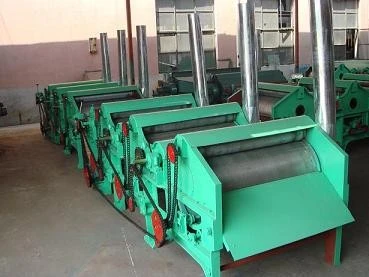
What is Precision in Textile Machinery?
Let's start by breaking down what we mean by "precision" when it comes to textile machinery. In simple terms, precision refers to how accurately a machine can perform its intended tasks. This includes things like the consistency of yarn thickness, the uniformity of fabric weave, and the exactness of cutting and sewing operations.
For example, in a spinning machine, precision is crucial for producing yarn with a consistent thickness. If the machine isn't precise, the yarn might be too thick in some places and too thin in others. This can lead to all sorts of problems down the line, like uneven fabric quality and even breakages during the weaving process.
In a weaving machine, precision is all about creating a uniform fabric weave. The machine needs to accurately control the movement of the warp and weft threads to ensure that the fabric has a consistent pattern and density. Any deviation from the desired specifications can result in a flawed fabric that doesn't meet the customer's requirements.
Why is Precision Important?
Now that we know what precision means, let's talk about why it's so important in the textile industry. There are several reasons why precision is crucial for textile machinery:
- Quality Control: Precision is essential for maintaining high-quality standards in textile production. By ensuring that machines operate with a high degree of accuracy, we can produce textiles that meet or exceed customer expectations. This is especially important in industries where quality is a top priority, such as the fashion and home decor sectors.
- Efficiency: Precise machinery is more efficient than machines that lack accuracy. When a machine operates with precision, it can perform its tasks more quickly and with fewer errors. This means less downtime for maintenance and repairs, and more productivity overall.
- Cost Savings: Precision can also lead to cost savings in the long run. By producing high-quality textiles with fewer defects, we can reduce waste and lower production costs. Additionally, precise machinery is often more energy-efficient, which can help to reduce operating costs.
- Innovation: Precision is driving innovation in the textile industry. As technology advances, manufacturers are developing new and more precise machinery that can produce textiles with greater accuracy and efficiency. This is opening up new possibilities for the industry, such as the production of high-tech fabrics with unique properties.
How is Precision Achieved?
So, how do we achieve precision in textile machinery? There are several factors that contribute to the precision of a machine:
- Design and Engineering: The design and engineering of a machine play a crucial role in its precision. Manufacturers use advanced computer-aided design (CAD) and simulation tools to optimize the design of their machines and ensure that they meet the highest standards of accuracy.
- Quality Components: The quality of the components used in a machine also affects its precision. High-quality bearings, gears, and motors are essential for ensuring smooth and accurate operation. Additionally, manufacturers use advanced materials and manufacturing techniques to improve the durability and performance of their machines.
- Calibration and Maintenance: Regular calibration and maintenance are essential for ensuring that a machine operates with precision. Calibration involves adjusting the machine's settings to ensure that it produces the desired results. Maintenance involves inspecting and servicing the machine to prevent wear and tear and ensure that it continues to operate at peak performance.
- Operator Training: Finally, operator training is crucial for achieving precision in textile machinery. Operators need to be trained on how to use the machine correctly and how to identify and troubleshoot any issues that may arise. By providing operators with the necessary training and support, we can ensure that they are able to operate the machine with precision and efficiency.
Examples of Precise Textile Machinery
Now that we know what precision means and why it's important, let's take a look at some examples of precise textile machinery:
- Wool Roving Frame: This machine is used to produce wool roving, which is a long, narrow strip of wool that is used in the spinning process. The wool roving frame is designed to produce roving with a consistent thickness and density, which is essential for producing high-quality yarn.
- Weight Separator For Blow Room: This machine is used to separate the different weights of fibers in the blow room. By separating the fibers by weight, the machine can ensure that the fibers are evenly distributed throughout the textile, which is essential for producing a uniform fabric.
- Cotton Waste Cleaning Machine: This machine is used to clean and recycle cotton waste. By removing impurities and contaminants from the cotton waste, the machine can produce high-quality recycled cotton that can be used in the production of new textiles.
- Cotton Combing Machine: This machine is used to comb the cotton fibers to remove short fibers and impurities. By combing the cotton fibers, the machine can produce a smoother and stronger yarn, which is essential for producing high-quality textiles.
- Blow Room Scutcher: This machine is used to open and clean the cotton fibers in the blow room. By opening and cleaning the cotton fibers, the machine can ensure that the fibers are evenly distributed throughout the textile, which is essential for producing a uniform fabric.
Conclusion
In conclusion, precision is a crucial factor in the textile industry. By ensuring that our machines operate with a high degree of accuracy, we can produce high-quality textiles that meet or exceed customer expectations. Whether you're a textile manufacturer, a designer, or a consumer, precision is something that you should care about.
If you're interested in learning more about our textile machinery or if you have any questions about precision in textile production, please don't hesitate to contact us. We'd be happy to help you find the right machinery for your needs and to answer any questions that you may have.
References
- Textile Machinery Handbook
- Journal of Textile Science and Technology
- International Textile Manufacturers Federation (ITMF) reports
Send Inquiry