

How to choose a textile loom?
Sep 24, 2026
Leave a message
When it comes to the world of textile manufacturing, choosing the right textile loom is a pivotal decision that can significantly impact the efficiency, quality, and profitability of your production process. As a seasoned textile loom supplier, I understand the complexities involved in this choice and am here to guide you through the key factors to consider.
Understanding Your Production Needs
The first step in choosing a textile loom is to have a clear understanding of your specific production requirements. Consider the following aspects:
Fabric Types
Different looms are better suited for specific fabric types. For instance, if you plan to produce lightweight and delicate fabrics like silk or chiffon, you may need a loom that offers precise control over tension and weaving patterns. On the other hand, if your focus is on heavy - duty fabrics such as denim or canvas, a more robust and powerful loom will be necessary.
Denim, known for its durability, requires a loom that can handle high - strength yarns and produce a tight weave. The weaving process for denim often involves a twill pattern, which may require a loom with specific shedding mechanisms to create the characteristic diagonal lines. Silk fabrics, in contrast, demand a loom that can operate at a high degree of precision to preserve the delicate nature of the yarn and create a smooth, even finish.
Production Volume
Your expected production volume is another crucial factor. If you are a large - scale manufacturer aiming to produce a high volume of fabrics on a daily basis, you will need a high - speed loom. High - speed looms can significantly increase your output, reducing production time and costs. However, they may also require a larger initial investment and more maintenance.
For small - scale producers or artisans, a slower, more versatile loom may be a better option. These looms are often more affordable and allow for greater customization in terms of fabric design and production. They can be ideal for creating unique, hand - crafted textiles or for sampling different fabric designs.
Weave Patterns
The complexity of the weave patterns you want to create will also influence your choice of loom. Simple plain weaves, where the warp and weft yarns cross each other in a basic over - under pattern, can be produced on a wide range of looms. However, more intricate patterns such as jacquard weaves, which can create detailed images or designs on the fabric, require specialized looms.
Jacquard looms use a system of punched cards or electronic controls to manipulate individual warp yarns, allowing for the creation of highly complex patterns. These looms are more expensive and require more technical expertise to operate, but they offer unparalleled design flexibility for high - end textile production.
Types of Textile Looms
There are several types of textile looms available in the market, each with its own advantages and limitations. Let's explore some of the most common types:
Air Jet Loom
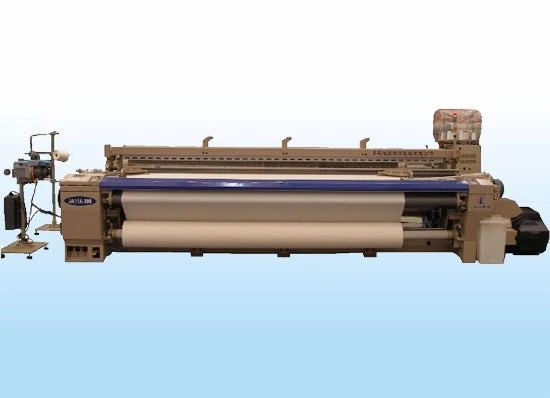
The Air Jet Loom is a popular choice for high - speed weaving of lightweight to medium - weight fabrics. It uses compressed air to insert the weft yarn through the warp shed, which makes it a very fast and efficient weaving method. The air jet loom can achieve high production speeds, making it suitable for large - scale manufacturing.
One of the key advantages of the air jet loom is its energy efficiency. Since it uses air as the weft insertion medium, it consumes less energy compared to some other types of looms. It also produces relatively low noise levels during operation, which is beneficial for the working environment. However, the air jet loom may have some limitations when it comes to weaving heavy - duty fabrics or fabrics with very thick weft yarns.
Rapier Loom
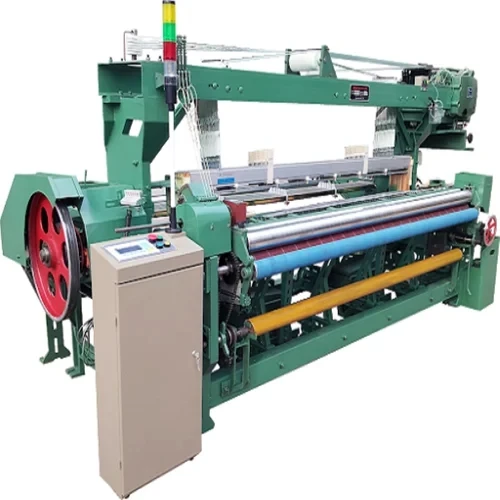
The Rapier Loom is known for its versatility. It uses a rapier mechanism to insert the weft yarn through the warp shed, which allows it to handle a wide range of yarn types and fabric structures. Rapier looms are suitable for both low - and high - volume production and can produce a variety of weave patterns, including complex jacquard weaves.
Another advantage of the rapier loom is its ability to handle different yarn materials, such as natural fibers (cotton, wool, silk) and synthetic fibers (polyester, nylon). It can also be used to produce fabrics with different widths, making it a flexible option for textile manufacturers. However, rapier looms may be more expensive than some other types of looms and require more maintenance due to their complex mechanical components.
Projectile Loom
Projectile looms are designed for high - speed weaving of medium - to heavy - weight fabrics. They use a projectile to carry the weft yarn through the warp shed, which enables them to achieve high production speeds. Projectile looms are known for their reliability and can produce high - quality fabrics with a consistent weave.
However, projectile looms are relatively large and require more floor space in the production facility. They also consume more energy compared to air jet looms. Additionally, the cost of maintaining the projectile mechanism can be relatively high.
Water Jet Loom
Water jet looms are similar to air jet looms but use water as the weft insertion medium. They are particularly suitable for weaving synthetic fibers, as the water helps to cool and lubricate the yarn during the weaving process. Water jet looms can achieve high production speeds and are energy - efficient.
However, the use of water in the weaving process requires a proper water treatment system, which adds to the initial investment and operating costs. There may also be some environmental concerns associated with the disposal of the used water.
Technical Specifications
In addition to understanding the types of looms and your production needs, it is important to consider the technical specifications of the loom. Here are some key technical factors to look for:
Weaving Width
The weaving width of the loom determines the maximum width of the fabric that can be produced. You should choose a loom with a weaving width that meets your production requirements. If you plan to produce a variety of fabric widths, you may consider a loom with an adjustable weaving width.
Weaving Speed
Weaving speed is measured in picks per minute (ppm). A higher weaving speed means that more fabric can be produced in a given time. However, it is important to balance the weaving speed with the quality of the fabric. Some looms may offer variable speed settings, allowing you to adjust the speed according to the fabric type and production requirements.
Shedding Mechanism
The shedding mechanism is responsible for creating the opening (shed) between the warp yarns to allow the weft yarn to pass through. Different shedding mechanisms are suitable for different types of weave patterns. For example, a dobby shedding mechanism is commonly used for producing simple to medium - complex patterns, while a jacquard shedding mechanism is required for highly complex patterns.
Weft Insertion System
As mentioned earlier, different looms use different weft insertion systems, such as air jet, rapier, projectile, or water jet. The choice of weft insertion system depends on the fabric type, production volume, and cost considerations.
Cost and Return on Investment
Cost is an important factor when choosing a textile loom. In addition to the initial purchase price of the loom, you should also consider the operating costs, including energy consumption, maintenance, and labor costs. A more expensive loom may offer higher productivity and better fabric quality, which can result in a higher return on investment in the long run.
It is also important to consider the resale value of the loom. Some looms may hold their value better than others, which can be an important consideration if you plan to upgrade or replace your equipment in the future.
After - Sales Support
When purchasing a textile loom, it is essential to choose a supplier that offers reliable after - sales support. This includes technical support, training, and the availability of spare parts. A supplier with a good reputation for after - sales service can help you minimize downtime and ensure the smooth operation of your loom.
Conclusion
Choosing the right textile loom is a complex decision that requires careful consideration of your production needs, the types of looms available, technical specifications, cost, and after - sales support. As a textile loom supplier, I am committed to helping you make an informed decision. If you have any questions or need further guidance on choosing the right textile loom for your business, please feel free to contact us for a detailed discussion. We are here to assist you in finding the perfect solution that meets your specific requirements and helps you achieve your production goals.
References
- Textile Machinery Handbook, various industry experts
- Journal of Textile Engineering, multiple research articles on loom technology
Send Inquiry