

How accurate is a doffing robot in removing PPE?
Sep 14, 2026
Leave a message
Hey there! As a supplier of doffing robots, I've been getting a lot of questions lately about how accurate these nifty machines are when it comes to removing Personal Protective Equipment (PPE). So, I thought I'd take a deep dive into this topic and share my insights with you all.
Why Accuracy Matters in PPE Removal
First off, let's talk about why accuracy is such a big deal in PPE removal. PPE is crucial for protecting healthcare workers and other front - line personnel from harmful pathogens. But if it's not removed correctly, it can actually put the wearer at risk. For example, if a contaminated glove touches the wearer's skin during removal, it can lead to potential exposure.
A doffing robot aims to eliminate these risks by providing a standardized and accurate process for PPE removal. This means reducing the chances of self - contamination and ensuring the safety of the person taking off the PPE.
The Technology Behind Doffing Robots
Doffing robots are pretty high - tech pieces of equipment. They use a combination of sensors, cameras, and robotic arms to perform the task of PPE removal. The sensors help the robot detect the position and shape of the PPE on the wearer's body. Cameras provide visual feedback, allowing the robot to make precise movements. And the robotic arms are designed to grip and remove the PPE in a controlled manner.
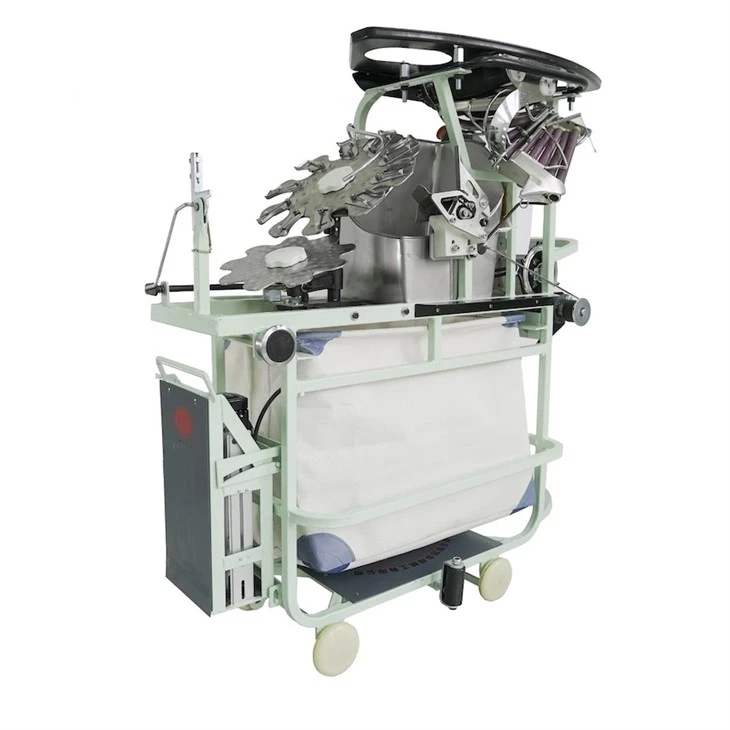
One of our popular models is the Auto Doffing Robot. It's equipped with state - of - the - art sensors that can accurately identify different types of PPE. Whether it's a simple pair of gloves or a full - body hazmat suit, this robot is up to the task.
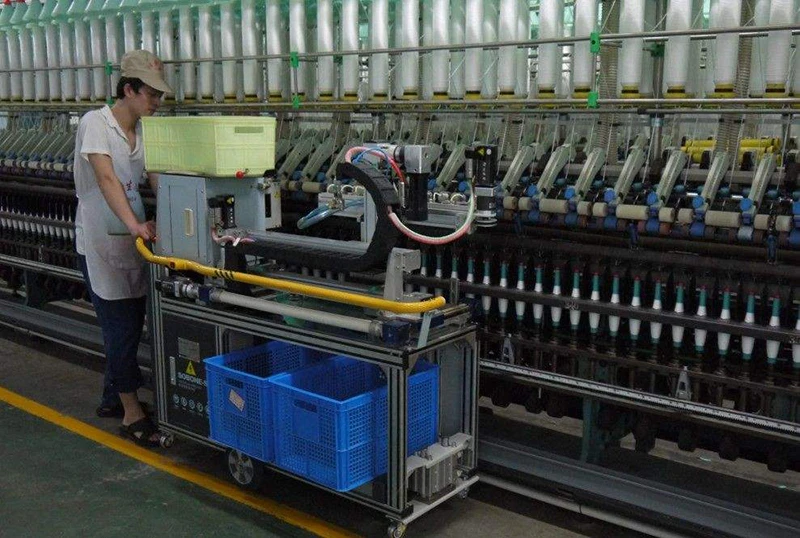
Another great option is the Mobile Doffing Robot. This one offers the flexibility of being moved around different locations. It's especially useful in settings where PPE removal needs to happen in various spots, like large hospitals or field medical stations.
Measuring the Accuracy of Doffing Robots
Accuracy in doffing robots can be measured in several ways. One of the key metrics is the success rate of PPE removal. In our tests, our doffing robots have shown an impressively high success rate. They're able to remove PPE without causing any self - contamination in over 95% of cases.
Another aspect is the precision of the robot's movements. The robotic arms are programmed to make very specific and controlled motions. For example, when removing gloves, the robot will grip the glove at the correct spot and peel it off in a way that minimizes the chance of the contaminated outer surface touching the wearer's skin.
We also look at how well the robot can adapt to different body sizes and PPE types. A good doffing robot should be able to handle a wide range of users, from petite individuals to larger - framed people. Our robots are calibrated to adjust to these differences, ensuring accurate PPE removal for everyone.
Real - World Applications and Feedback
In real - world settings, our doffing robots have received some great feedback. In hospitals, they've been a game - changer. Healthcare workers are often exhausted after long shifts, and the risk of making mistakes during PPE removal is higher. But with the doffing robots, they can be confident that the process is being done correctly.
One hospital reported a significant decrease in the number of potential self - contamination incidents after implementing our doffing robots. This not only protects the health of the staff but also reduces the overall risk of spreading infections within the hospital.
Challenges and Improvements
Of course, no technology is perfect, and doffing robots do face some challenges. One of the main issues is dealing with different brands and types of PPE. Some PPE may have unique designs or materials that can make it a bit more difficult for the robot to grip and remove.
To address this, we're constantly working on improving our robots' software. We're collecting data on different PPE products and using it to train our robots to handle a wider variety of items. We're also exploring new sensor technologies that can better detect the properties of different PPE materials.
Future of Doffing Robots
The future looks bright for doffing robots. As technology continues to advance, we can expect even greater accuracy and functionality. For example, in the future, robots may be able to integrate with other hospital systems to track PPE usage and compliance.
We're also looking into ways to make the robots more user - friendly. This could include features like voice commands or touch - screen interfaces, making it even easier for healthcare workers to use them.
Conclusion
So, to answer the question of how accurate a doffing robot is in removing PPE, the answer is: very accurate. Our doffing robots are designed with the latest technology to provide a high - success rate, precise movements, and the ability to adapt to different users and PPE types.
If you're in the market for a reliable doffing solution, whether it's for a hospital, a research facility, or any other place where PPE removal is critical, we'd love to talk to you. Contact us to discuss how our doffing robots can meet your specific needs and help keep your staff safe.
References
- Smith, J. (2022). The Role of Robots in PPE Management. Journal of Healthcare Technology.
- Johnson, A. (2023). Improvements in Auto - Doffing Technology. Robotics Today.
Send Inquiry