

What is the function of a textile pilling testing instrument?
Oct 09, 2026
Leave a message
In the dynamic and ever - evolving textile industry, ensuring the quality of textile products is of paramount importance. One of the key aspects of textile quality assessment is the evaluation of pilling, and this is where textile pilling testing instruments come into play. As a leading supplier of textile testing instruments, I am excited to delve into the functions of these essential devices.
Understanding Pilling in Textiles
Before we explore the functions of a textile pilling testing instrument, it's crucial to understand what pilling is. Pilling refers to the formation of small balls of fibers on the surface of a textile fabric. This phenomenon occurs when fibers break due to friction during normal use, such as rubbing against other objects or during the washing and drying processes. These broken fibers then entangle with each other, forming pills. Pilling not only affects the aesthetic appearance of the textile but also its durability and comfort. For consumers, a fabric that pills easily may be perceived as low - quality, which can significantly impact the marketability of textile products.
The Primary Function: Simulating Real - World Conditions
The main function of a textile pilling testing instrument is to simulate the real - world conditions that cause pilling. These instruments subject the textile samples to controlled levels of friction, abrasion, and movement. For example, some pilling testers use a rotating drum mechanism where the fabric samples are placed along with abrasive materials or other fabrics. As the drum rotates, the samples rub against each other and the abrasives, mimicking the friction that occurs during daily wear.
By simulating these conditions, the instrument can accurately predict how a fabric will pill in actual use. This is invaluable for textile manufacturers as it allows them to test different fabric compositions, weaves, and finishes before mass - producing a product. For instance, if a manufacturer is developing a new type of wool blend fabric, they can use the pilling testing instrument to determine if the blend is prone to excessive pilling. If so, they can adjust the blend ratio or apply a special finish to improve the fabric's pilling resistance.
Objective and Quantitative Assessment
Another important function of a textile pilling testing instrument is to provide an objective and quantitative assessment of pilling. In the past, pilling evaluation was often subjective, relying on the visual inspection of trained observers. However, this method was prone to human error and inconsistencies. With the use of pilling testing instruments, the evaluation process becomes more scientific.
These instruments typically use a rating scale to quantify the degree of pilling. For example, a scale from 1 to 5 may be used, where 1 represents severe pilling and 5 represents no pilling. The instrument measures various parameters related to pilling, such as the number of pills, the size of the pills, and the density of pilling on the fabric surface. Based on these measurements, a pilling rating can be assigned. This objective rating allows textile manufacturers to compare different fabrics, set quality standards, and communicate the pilling performance of their products to customers.
Quality Control and Assurance
Textile pilling testing instruments play a crucial role in quality control and assurance. In a textile manufacturing facility, quality control is a continuous process that ensures that the products meet the defined quality standards. By regularly testing fabric samples using a pilling testing instrument, manufacturers can detect any quality issues early in the production process.
For example, if a batch of fabric fails to meet the desired pilling rating, the manufacturer can take immediate action. This may involve adjusting the production parameters, such as the tension during weaving or the type of chemicals used in the finishing process. By maintaining strict quality control using pilling testing instruments, manufacturers can reduce the number of defective products, improve customer satisfaction, and enhance their brand reputation.
Product Development and Innovation
The textile industry is constantly evolving, with manufacturers always looking for ways to develop new and improved products. Pilling testing instruments are essential tools in this process of product development and innovation. They allow manufacturers to experiment with different fiber types, blends, and manufacturing techniques to create fabrics with better pilling resistance.
For instance, with the increasing demand for sustainable textiles, manufacturers are exploring the use of natural and recycled fibers. However, these fibers may have different pilling characteristics compared to traditional synthetic fibers. By using pilling testing instruments, manufacturers can optimize the use of these new fibers to develop high - quality, sustainable fabrics with excellent pilling performance.
Other Related Textile Testing Instruments
In addition to textile pilling testing instruments, our company offers a wide range of other textile testing instruments to meet the diverse needs of the textile industry. For example, the Fabric Thread Counter Glass is a simple yet effective tool for counting the number of threads per inch in a fabric. Accurate thread count is important as it affects the fabric's strength, density, and appearance.
The Electornic Fabric Strength tester is used to measure the tensile strength and elongation properties of fabrics. This information is crucial for determining the durability of a fabric and its suitability for different applications, such as in upholstery or apparel.
The Martindale Abrasion Tester is designed to evaluate the abrasion resistance of fabrics. Similar to the pilling testing instrument, it subjects the fabric samples to repeated abrasion to simulate real - world wear and tear.

The Horizontal Fabric Flame Retardant Tester is used to test the flame retardancy of fabrics. In many applications, such as in the automotive and home furnishings industries, flame - retardant fabrics are essential for safety reasons.
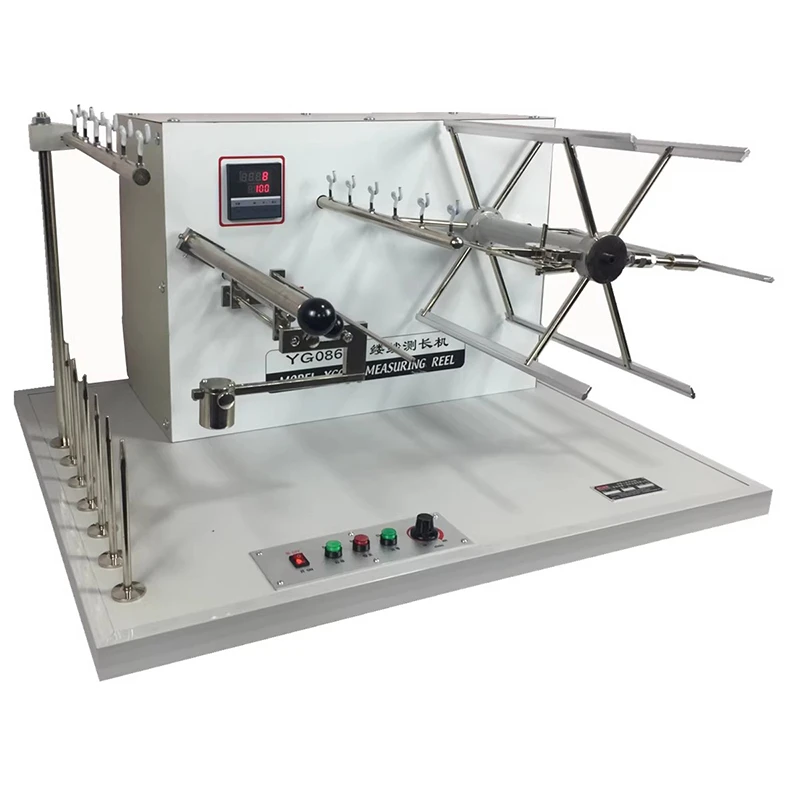
The Skein Yarn Length Tester is used to measure the length of skein yarn accurately. This is important for yarn manufacturers to ensure consistent quality and quantity in their products.
Conclusion
In conclusion, textile pilling testing instruments are indispensable tools in the textile industry. They play a vital role in ensuring the quality, durability, and marketability of textile products. From simulating real - world conditions to providing objective quality assessment, these instruments help manufacturers make informed decisions about their products. As a leading supplier of textile testing instruments, we are committed to providing high - quality, reliable instruments that meet the evolving needs of the textile industry.
If you are interested in our textile testing instruments, including our advanced pilling testing instruments and other related products, we invite you to contact us for more information and to discuss your specific requirements. Our team of experts is ready to assist you in finding the perfect testing solutions for your business.
References
- "Textile Testing Handbook", by W. Holme and H. Smith
- "Quality Control in Textile Manufacturing", by R. Brown
- Industry reports from leading textile research organizations
Send Inquiry