

Is it easy to clean a Roving Opener Machine?
Sep 09, 2026
Leave a message
As a seasoned provider of textile machinery, I often receive inquiries about the ease of cleaning various machines in our product lineup. One question that frequently comes up is whether it is easy to clean a Roving Opener Machine. In this blog post, I'll delve into this topic, sharing insights based on years of experience in the industry.
Understanding the Roving Opener Machine
Before discussing the cleaning process, it's essential to understand what a Roving Opener Machine does. This machine plays a crucial role in the textile manufacturing process. It is designed to open and blend fibers, preparing them for subsequent spinning operations. The machine typically consists of a feeding system, an opening device, and a conveying system. As it processes fibers, it inevitably accumulates lint, dust, and other debris, which necessitates regular cleaning to maintain optimal performance.
Factors Affecting the Cleaning Process
Several factors can influence how easy or difficult it is to clean a Roving Opener Machine.
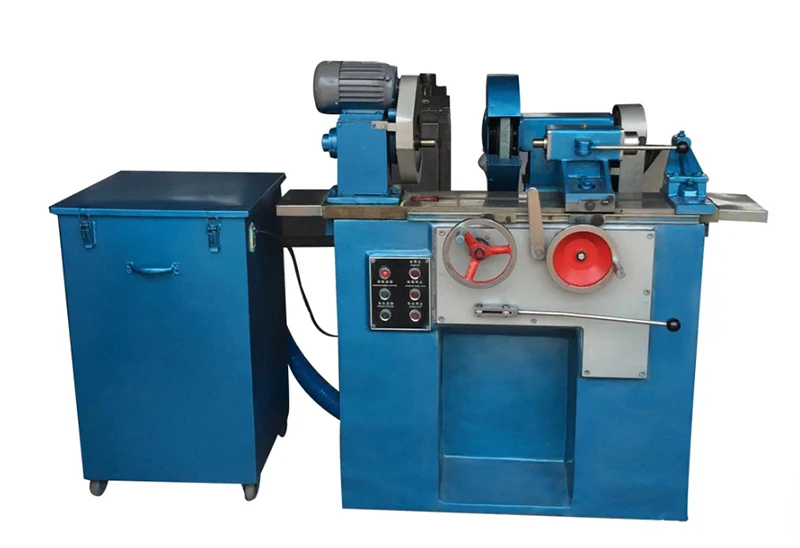
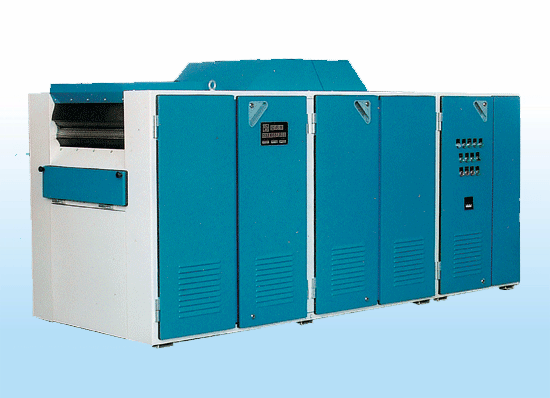
- Machine Design: Modern Roving Opener Machines are often designed with cleaning in mind. For example, some models have easily removable covers and panels, allowing quick access to internal components. This design feature makes it easier to reach areas that accumulate debris, such as the opening device and the conveying system. However, older or more complex machines may have fewer accessible parts, making cleaning more challenging.
- Type of Fibers Processed: Different fibers produce different types of debris. For instance, natural fibers like cotton tend to generate more lint and dust compared to synthetic fibers. Additionally, the length and fineness of the fibers can also affect the cleaning process. Longer fibers may be more likely to get entangled in the machine's components, while finer fibers can be more difficult to remove due to their small size.
- Frequency of Use: The more frequently a Roving Opener Machine is used, the more quickly it will accumulate debris. Regular use also means that the debris has more time to build up and become more firmly attached to the machine's surfaces. As a result, machines that are used continuously may require more frequent and thorough cleaning compared to those used less often.
The Cleaning Process
The cleaning process for a Roving Opener Machine typically involves several steps.
- Power Off and Isolate: Before starting any cleaning operations, it is crucial to turn off the machine and isolate it from the power source to prevent accidental startup. This ensures the safety of the cleaning personnel.
- External Cleaning: Begin by cleaning the external surfaces of the machine. Use a soft brush or a vacuum cleaner to remove loose dust and debris. Pay special attention to areas around the controls, switches, and ventilation openings.
- Internal Cleaning: Once the external surfaces are clean, proceed to clean the internal components. This may involve removing covers and panels to access the opening device, the conveying system, and other parts of the machine. Use a brush or a compressed air gun to dislodge debris from the internal surfaces. Be careful not to damage any sensitive components during the cleaning process.
- Lubrication and Inspection: After cleaning, it is recommended to lubricate the moving parts of the machine according to the manufacturer's instructions. This helps to ensure smooth operation and prevent premature wear. Additionally, inspect the machine for any signs of damage or wear, such as loose belts, worn bearings, or damaged blades. Replace any worn or damaged parts as needed.
- Reassembly and Testing: Once the cleaning, lubrication, and inspection are complete, reassemble the machine and cover the panels. Then, test the machine to ensure it is operating properly. Check for any abnormal noises, vibrations, or other issues. If any problems are detected, address them immediately.
Ease of Cleaning: A Balanced View
Overall, whether it is easy to clean a Roving Opener Machine depends on a variety of factors. While modern machines with user-friendly designs and accessible components make the cleaning process relatively straightforward, the type of fibers processed and the frequency of use can add complexity. However, with proper training, the right tools, and a regular cleaning schedule, the task can be managed efficiently.
For instance, if a textile mill processes mostly synthetic fibers and uses the Roving Opener Machine only a few hours a day, the cleaning process may be relatively easy. The synthetic fibers generate less lint and dust, and the infrequent use means less debris buildup. On the other hand, a mill that processes a high volume of natural fibers continuously will face a more challenging cleaning task.
Complementary Machinery and their Maintenance
In addition to the Roving Opener Machine, our company also offers a range of complementary textile machinery, such as Rubber Cot Mounting Machine, Rubber Cot Grinding Machine, Flat Grinding Machine, and Hydraulic Rubber Roller Mouting Machinery. Each of these machines has its own cleaning and maintenance requirements.
Just like the Roving Opener Machine, proper cleaning and maintenance of these machines are essential for ensuring optimal performance and extending their service life. By providing comprehensive support and guidance on cleaning and maintenance, we aim to help our customers keep their machinery in top condition.
Conclusion and Call to Action
In conclusion, while cleaning a Roving Opener Machine may present some challenges, it is definitely a manageable task with the right approach. At our company, we are committed to providing high-quality machinery and excellent customer support. If you are in the textile industry and are considering purchasing a Roving Opener Machine or any of our other products, we encourage you to contact us to discuss your specific needs. We have a team of experts who can provide detailed information and guidance to help you make an informed decision.
References
- Textile Machinery Handbook, various editions.
- Manufacturer's manuals for Roving Opener Machines and related equipment.
Send Inquiry