

Can a pneumatic pendulum arm be used in industrial automation?
Sep 03, 2026
Leave a message
Can a pneumatic pendulum arm be used in industrial automation? That's a question I've been asked a lot lately, being a supplier of these cool pneumatic pendulum arms. So, I thought I'd sit down and share my thoughts on this topic.
First off, let's talk about what a pneumatic pendulum arm actually is. In simple terms, it's a mechanical device that operates using compressed air. It swings back and forth in a pendulum - like motion, and this movement can be precisely controlled. This is all thanks to the pneumatic system, which allows for adjustable speed, force, and stroke length.
Now, when it comes to industrial automation, there are a ton of requirements. We're talking about processes that need to be repetitive, accurate, and fast. And that's where a pneumatic pendulum arm can really shine.
One of the biggest advantages of using a pneumatic pendulum arm in industrial automation is its simplicity. Unlike some high - tech electric or hydraulic systems, pneumatic systems are relatively easy to understand, install, and maintain. You don't need a team of rocket scientists to figure out how it works. Just a basic understanding of pneumatic principles, and you're good to go.
Repetitive tasks are a big deal in industrial automation. Whether it's picking and placing parts on an assembly line or moving materials from one point to another, a pneumatic pendulum arm can handle these tasks with ease. It can be programmed to perform the same movement over and over again, with a high degree of accuracy. This consistency is crucial in industries where precision is key, like the manufacturing of Bottom Fluted Roller or Top Cradle.
Another great thing about pneumatic pendulum arms is their speed. They can move quickly, which helps to increase the overall productivity of an industrial process. In a fast - paced manufacturing environment, every second counts. With a pneumatic pendulum arm, you can get your tasks done in a shorter amount of time compared to manual labor or slower - moving systems.
Cost is always a concern in industrial settings. Pneumatic systems are generally more cost - effective than their electric or hydraulic counterparts. The initial investment in a pneumatic pendulum arm is often lower, and the operating costs are also relatively cheap. You don't need to worry about expensive electrical components or complex hydraulic fluids. Compressed air is a widely available and inexpensive power source, making it an attractive option for many factories and plants.
Safety is also a major factor in industrial automation. Pneumatic pendulum arms are generally safer to use compared to some other systems. Since they use compressed air, there's less risk of electrical shock or fire hazards. And in case of a malfunction, the pneumatic system usually has built - in safety mechanisms that can prevent major accidents.
But, like any technology, pneumatic pendulum arms also have their limitations. One of the main drawbacks is the lack of extreme precision in some cases. For applications that require extremely fine movements, say in micro - manufacturing or high - end electronics production, the inherent play and elasticity in pneumatic systems might not be sufficient. However, for a wide range of industrial tasks where a tolerance of a few millimeters is acceptable, they work just fine.
The environment can also play a role. In very dirty or dusty environments, the pneumatic system can be prone to blockages or damage. Compressed air needs to be clean and dry, so proper air filtration systems are essential. In some harsh industrial settings, additional maintenance might be required to keep the pneumatic pendulum arm running smoothly.
Let's take a look at some real - world applications. In the textile industry, pneumatic pendulum arms can be used for tasks like moving Steel Ring Chrome or Ring Spinning Spindle during the manufacturing process. They can handle the repetitive movement of these parts with relative ease, contributing to the overall efficiency of the production line.
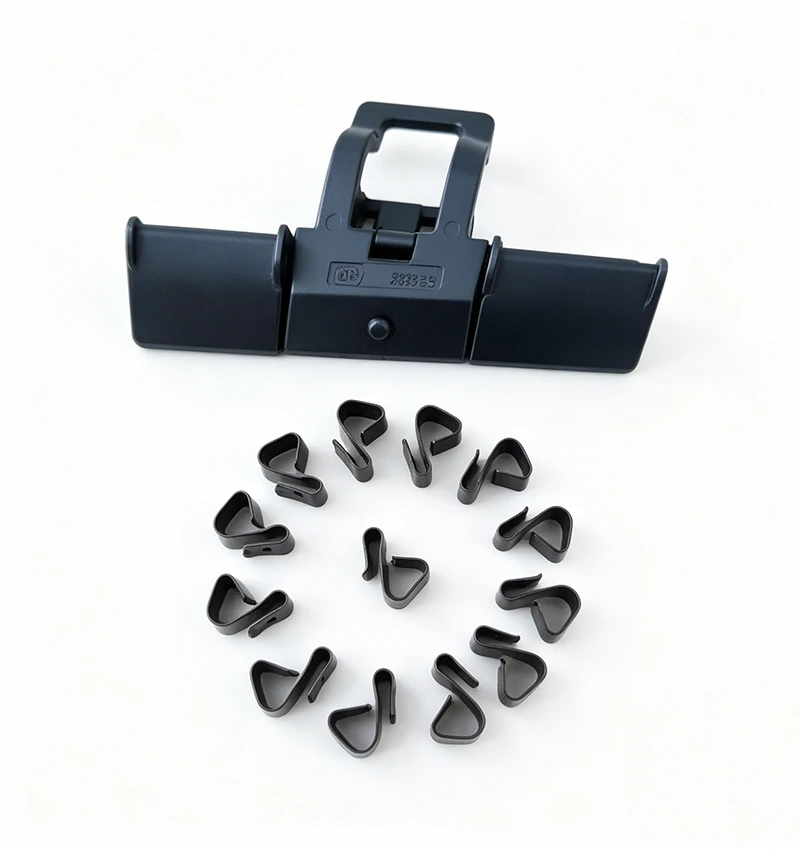
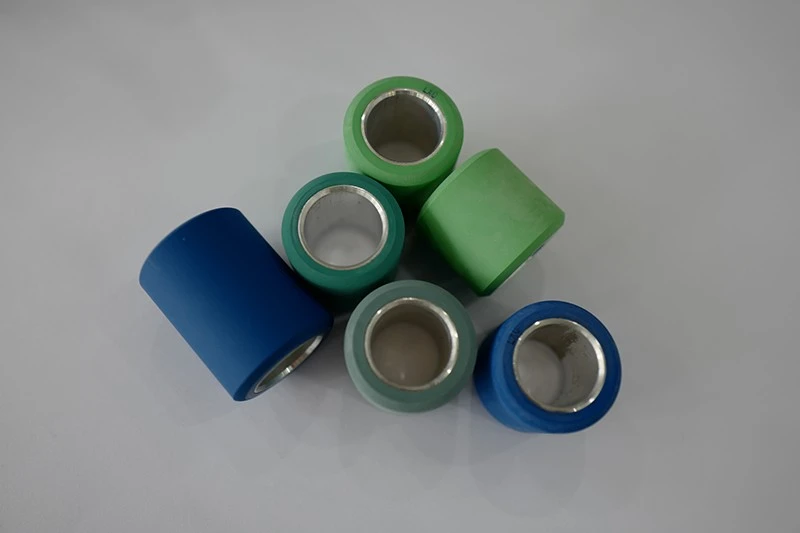
In the automotive industry, they can be used for simple assembly tasks. For example, placing rubber gaskets or small components in the right position. The speed and accuracy of the pneumatic pendulum arm can help to streamline the assembly process and reduce the chances of human error.
What about the future? As technology improves, we can expect even more advanced pneumatic pendulum arms. There will likely be better control systems, allowing for even more precise movements. And new materials might be used to make the arms more durable and resistant to wear and tear.
In the context of the textile industry specifically, the demand for better - performing spare parts like Rubber Apron&Cot is on the rise. And a pneumatic pendulum arm can be a great addition to the production process of these parts. It can help in handling the materials, moving them through different stages of manufacturing, and ensuring a high - quality end product.
So, can a pneumatic pendulum arm be used in industrial automation? The answer is a resounding yes! It has a lot to offer in terms of simplicity, speed, cost - effectiveness, and safety. While it might not be the perfect solution for every single industrial application, it definitely has a place in a wide range of manufacturing processes.
If you're in the market for a reliable and efficient pneumatic pendulum arm for your industrial automation needs, don't hesitate to reach out. We're here to help you find the best solution that fits your requirements and budget. Let's start a conversation about how our pneumatic pendulum arms can take your industrial processes to the next level.
References
- "Industrial Automation Handbook", various authors. This handbook provides a comprehensive overview of different technologies used in industrial automation, including pneumatic systems.
- "Pneumatic Systems in Manufacturing", a research paper that focuses on the application of pneumatic systems in modern manufacturing processes.
- Industry reports from the textile and automotive sectors, which highlight the trends and challenges in using automation technologies.
Send Inquiry